Make the work flow.
Connect the tools and processes your team relies on.
AI consulting & custom software
We help you save money and free up your team’s time. That might mean improving a process, connecting the tools you already use or building something new.
Defined projects or ongoing support.
Scope and fees agreed before work begins.
Whether you need a clearer process, an AI agent or a custom application, we help you work out what is worth building and put it to work.
Connect the tools and processes your team relies on.
Focused applications and AI agents for the job at hand.
Practical training, a clear handover and support.
Ways to work together
Start with the help you need today. You can bring a problem to investigate, a project to build or a need for ongoing advice.
Find the right starting point
You know something needs to change, but not what to invest in.
Put a solution to work
You have a specific problem and need someone to solve it.
Keep an experienced partner close
You want ongoing advice and a defined amount of help each month.
A complimentary 30-minute remote clinic for U.S. owners and operations teams. Discuss the bottleneck before committing to a project.
Try an inquiry-follow-up demoRole-based AI workshops, safe-use guidance and examples your team can keep. Available as a standalone, fixed-fee engagement.
A closer look at the work
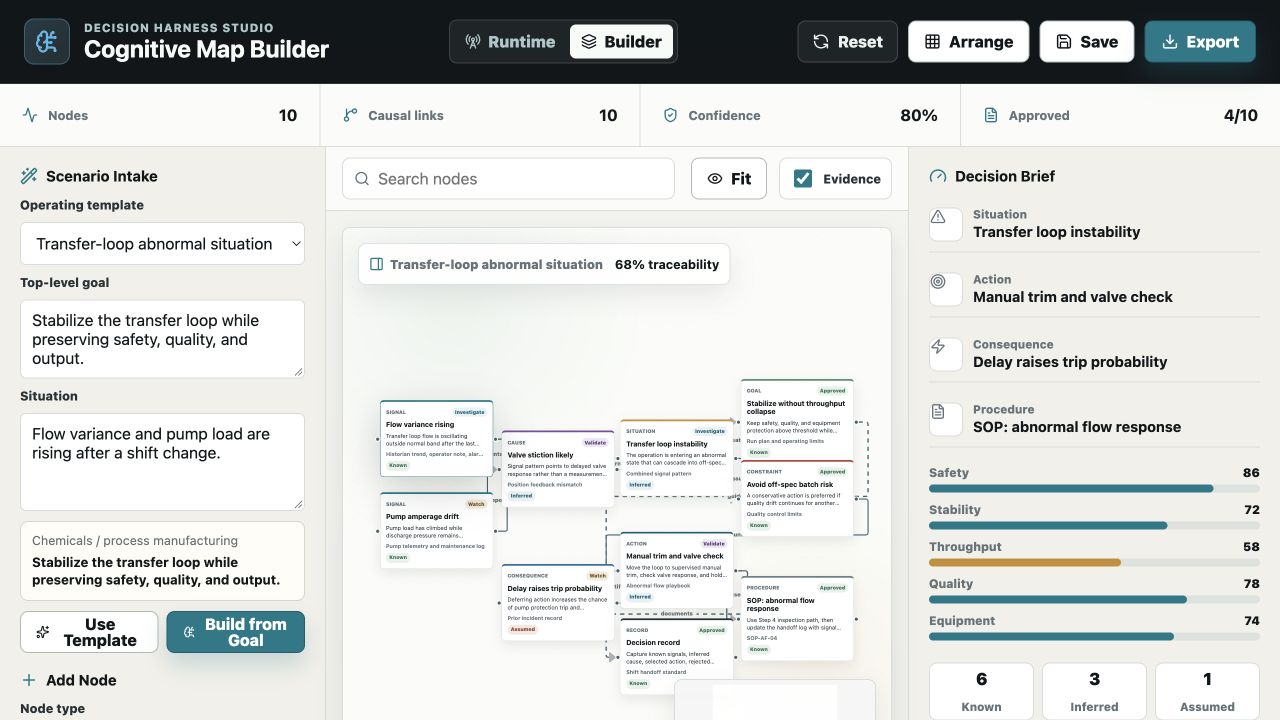
This working prototype brings signals, assumptions and possible actions into one reviewable workspace. The team can inspect the evidence and record why a decision was made.
Actual prototype screen using a demonstration scenario. Client identifiers are not shown; no live equipment is connected.
A private prototype, shown with a demonstration scenario. People retain the decision.
Explore the case studyYour project may look different. These examples show our approach, not the limits of what we can build.
See more workFrom first conversation to working solution
No technical brief required. No automatic commitment to a build or a monthly contract.
A complimentary 30-minute call to discuss the problem, ask questions and see whether we can help.
See the deliverables, fee, timing and responsibilities before you decide. Software and hosting costs are identified separately.
Review progress at agreed milestones. We test the solution with your team and prepare the handover.
Take the work forward with your team, or arrange ongoing advice and support. A monthly retainer is optional.
Business judgment, through to delivery
Main Sequence brings 25 years of experience in technology, consulting and commercialization. We look at the process, people and full cost before recommending a solution.
Sometimes that means AI or a custom application. Sometimes it means getting more from the software you already own.
About Main Sequence
Agree on the result, fee and responsibilities.
Human review for consequential decisions.
Documentation, training and an agreed support plan.
Before we talk
Understand the commitment before you make one.
Yes. The introductory call is complimentary and lasts 30 minutes. We discuss the problem, what you have tried and whether there is a useful next step. You are not committing to paid work.
Business & AI Reviews and training use a fixed fee for an agreed scope. Applications and automation are quoted as defined projects with milestones. Ongoing Technology Partnerships use a monthly retainer. You receive the fee and terms in writing before paid work starts.
No. If you have a clear brief, we can move straight to a project proposal or training plan. A paid review is useful when the problem, options or business case need more investigation.
We agree on the advisory or delivery capacity, priorities, meeting cadence and response arrangements. Technical maintenance, hosting and third-party services are identified explicitly. The agreement sets the minimum term, notice period and how additional work is priced. It is not unlimited development or 24-hour support.
A straightforward place to start
Bring a business problem, a rough idea or a clear project brief.
We’ll use the first 30 minutes to work out whether we can help.